
What is the Importance of an 11-Month Warranty Inspection?
When you purchase a new home, it's often covered by a one-year builder's warranty. This warranty generally covers repairs for defects in materials and workmanship. However, as the 12-month mark approaches, many homeowners might need to realize the importance of scheduling an 11-month warranty inspection.
This inspection helps identify any potential problems with the home before the warranty expires, allowing the builder to make necessary repairs.
What is an 11-month Warranty Inspection?
An 11-month warranty inspection is a thorough evaluation of your home performed just before the builder's one-year warranty expires. Professional inspectors check for any defects or issues that may have developed since you moved in. These could include structural problems, electrical issues, plumbing concerns, and more.
This inspection is crucial because it allows homeowners to address any problems. At the same time, the builder is still responsible for fixing them. Without an inspection, Withers might miss critical repairs, leaving them to cover the costs once the warranty expires.
Why is Timing Important?
The timing of the inspection—at 11 months—is critical. Most builder warranties last for one year, so an inspection right before the end of this period ensures you still have time to report issues and request repairs. Suppose you wait until after the 12-month mark. In that case, any problems discovered will no longer be covered under the warranty, meaning the homeowner will bear the repair costs.
Scheduling the inspection at the 11-month mark allows you to gather a list of issues and submit them to the builder before the warranty runs out. This can save you a lot of money in the long run, as major repairs can be costly if left unaddressed.
What Problems Can an 11-Month Warranty Inspection Uncover?
Even if your home seems perfect, there could be hidden problems that don't take time to notice. An 11-month warranty inspection is designed to catch these before they become serious. Some common issues inspectors might find include:
- Foundation cracks: Small cracks in the foundation can grow over time, leading to structural issues.
- Roof leaks: Roofing problems may take months to become noticeable but can cause significant water damage.
- Electrical issues: Faulty wiring or improperly installed outlets can pose fire hazards.
- Plumbing problems: Leaks, clogged pipes, or poor drainage systems may only be apparent after several months of use.
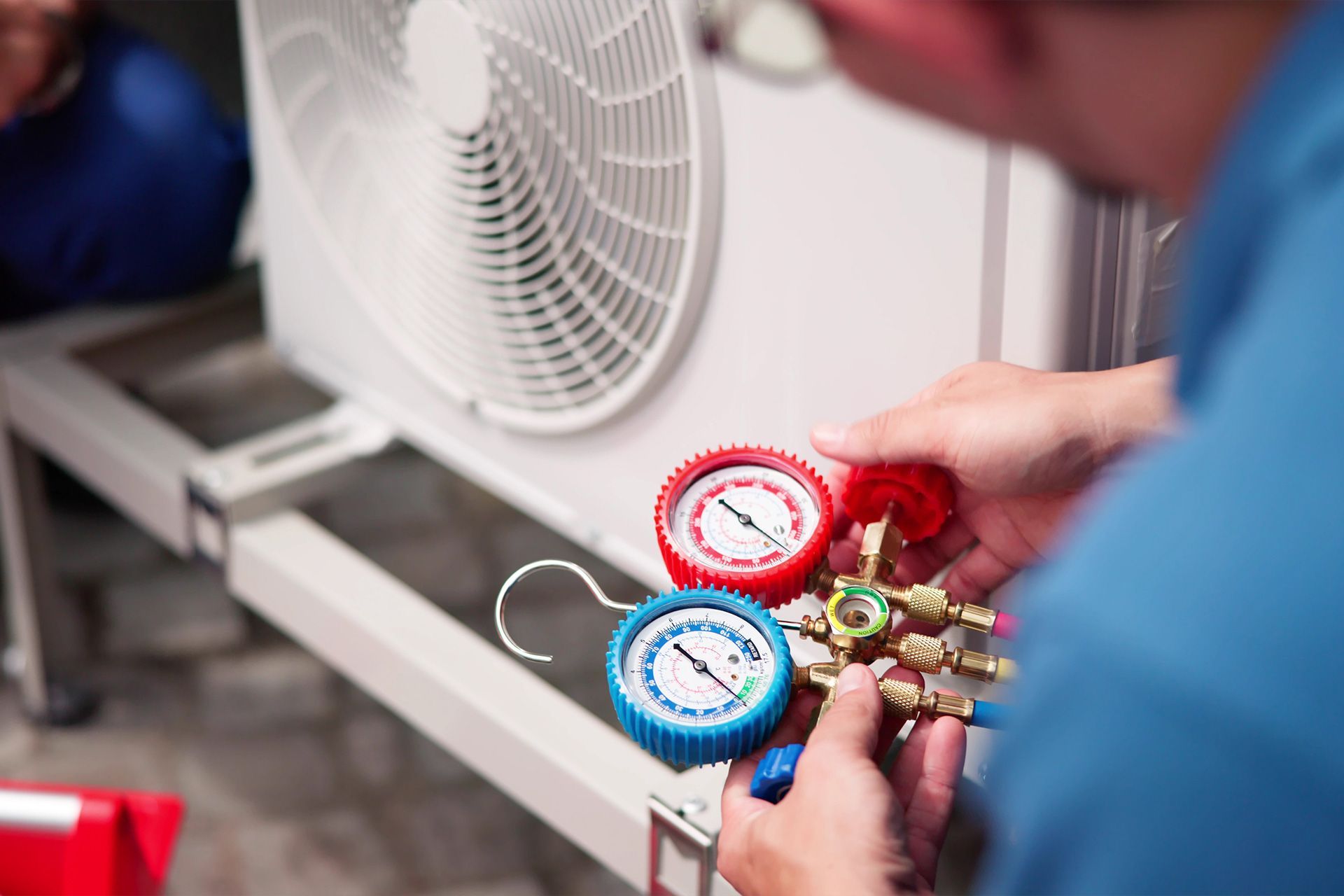
- HVAC inefficiencies: Heating, ventilation, and air conditioning systems may have issues that affect energy efficiency or performance.
Having a professional inspector identify these problems early ensures they can be fixed under the builder's warranty.
Who Should Perform the Inspection?
Hiring a qualified, independent inspector for the 11-month warranty inspection is essential. Many homeowners might assume that the builder's inspector can handle the job. Still, an independent third party is more likely to provide an unbiased evaluation.
Professional home inspectors are trained to spot problems the average homeowner might miss. They follow a detailed checklist that covers every aspect of your home, from the foundation to the roof. By hiring an experienced inspector, you can trust that they will find issues that must be addressed before the warranty expires.
How Much Does an 11-Month Warranty Inspection Cost?
The cost of an 11-month warranty inspection can vary based on several factors, including the size, location, and specific features of your home. While prices may fluctuate, investing in this inspection is a smart choice, as it helps identify potential issues before your builder's warranty expires.
For example, repairs like foundation stabilization, plumbing, or roofing can quickly add up to significant expenses if not caught in time. An inspection ensures that any necessary repairs can be addressed while still under warranty, potentially saving you a considerable amount in future costs.
What Should You Do After the Inspection?
Once the inspection is complete, you'll receive a detailed report listing any issues found in your home. It is essential to review this report carefully and submit the findings to your builder before the 12-month warranty period ends. The builder will typically schedule a time to fix the issues covered under the warranty.
Following up with the builder is essential to ensure that repairs are completed before the warranty expires. Suppose the builder is unresponsive or refuses to make repairs. In that case, you may need to escalate the issue or seek legal advice. Acting quickly after the inspection is critical to ensuring your home remains in good condition.
Is an 11-month Warranty Inspection Necessary?
Some homeowners may wonder if an 11-month warranty inspection is essential, especially if their home is in good shape. However, even brand-new homes can have hidden defects that aren't immediately visible. Issues like foundation cracks, roofing problems, or HVAC inefficiencies might only appear months after you've moved in.
By having an inspection, you can avoid unexpected repair costs. Skipping the inspection could mean missing out on free repairs covered under the warranty, leading to more expensive repairs later.
Conclusion
An 11-month warranty inspection is one of the smartest moves a homeowner can make when purchasing a new home. It ensures that any hidden issues are identified and fixed while the builder is still responsible for covering the cost. This saves you money, helps protect your investment, and ensures that your home is in top shape. If your builder's warranty is approaching its end, don't wait
schedule an 11-month warranty inspection today!
Disclaimer: The information on this website and blog is for general informational purposes only and is not professional advice. We make no guarantees of accuracy or completeness. We disclaim all liability for errors, omissions, or reliance on this content. Always consult a qualified professional for specific guidance.
Share the post:
Recent Posts