
Hidden Home Inspection Red Flags Every Buyer Should Know
Buying a home is one of the biggest financial decisions you’ll ever make. While a property might look perfect during a showing, hidden problems can surface during the inspection process. That’s why understanding home inspection red flags is so important before finalizing a purchase.
Professional home inspectors evaluate a property’s structure, systems, and safety to identify potential issues that may not be obvious to buyers. Some problems are minor and easy to fix, while others can lead to costly repairs or safety hazards. Knowing the common home inspection issues ahead of time can help buyers in Palm Beach, Broward, Miami-Dade, Treasure Coast, Hernando, Citrus, Sumter, and Pasco County make smarter decisions and avoid unpleasant surprises.
In this guide, we’ll walk through the most common hidden inspection red flags and what they could mean for your home purchase.
Why Home Inspection Red Flags Matter
A home inspection is designed to uncover potential issues with a property’s condition. These findings help buyers understand what they’re really purchasing and whether repairs or negotiations are necessary before closing.
Not every issue found during an inspection is a deal breaker. Many homes have minor cosmetic problems like chipped paint or worn flooring. However, major structural or system issues, such as foundation damage, electrical hazards, or severe water intrusion, can cost thousands of dollars to repair.
By learning the most common home inspection red flags, buyers can better interpret inspection reports and decide whether to proceed, negotiate repairs, or walk away from a deal.
1. Foundation or Structural Problems
One of the most serious home inspection red flags involves the structure of the home. The foundation supports the entire building, and any damage here can affect the property’s safety and stability.
Inspectors typically look for:
- Cracks in foundation walls
- Uneven or sloping floors
- Doors or windows that stick or won’t close properly
- Stair-step cracks in brick or masonry
- Gaps between walls and floors
Structural problems may indicate soil movement, settling, or long-term moisture issues. While small cracks are common in older homes, large or expanding cracks may require evaluation by a structural engineer.
Foundation repairs can be extremely expensive, which is why this is one of the most critical issues inspectors watch for.
2. Roof Damage or Aging Roofs
The roof protects your home from the elements, so any damage can lead to serious problems inside the house. A thorough roof inspection is essential to identify issues before they become costly repairs.
Inspectors commonly look for:
- Missing or curling shingles
- Sagging roof areas
- Water stains in the attic
- Damaged flashing around chimneys or vents
- Signs the roof is nearing the end of its lifespan
A damaged or aging roof can cause leaks, mold growth, and structural deterioration if left unaddressed. Roof replacement is also one of the most expensive home repairs homeowners face.
In regions like South Florida, where heavy rain and storms are common, roof condition is especially important during a home inspection.
3. Water Damage and Moisture Problems
Water intrusion is one of the most common home inspection issues across the country. Even small leaks can lead to major structural damage over time.
Inspectors look for warning signs such as:
- Water stains on ceilings or walls
- Musty odors
- Warped flooring
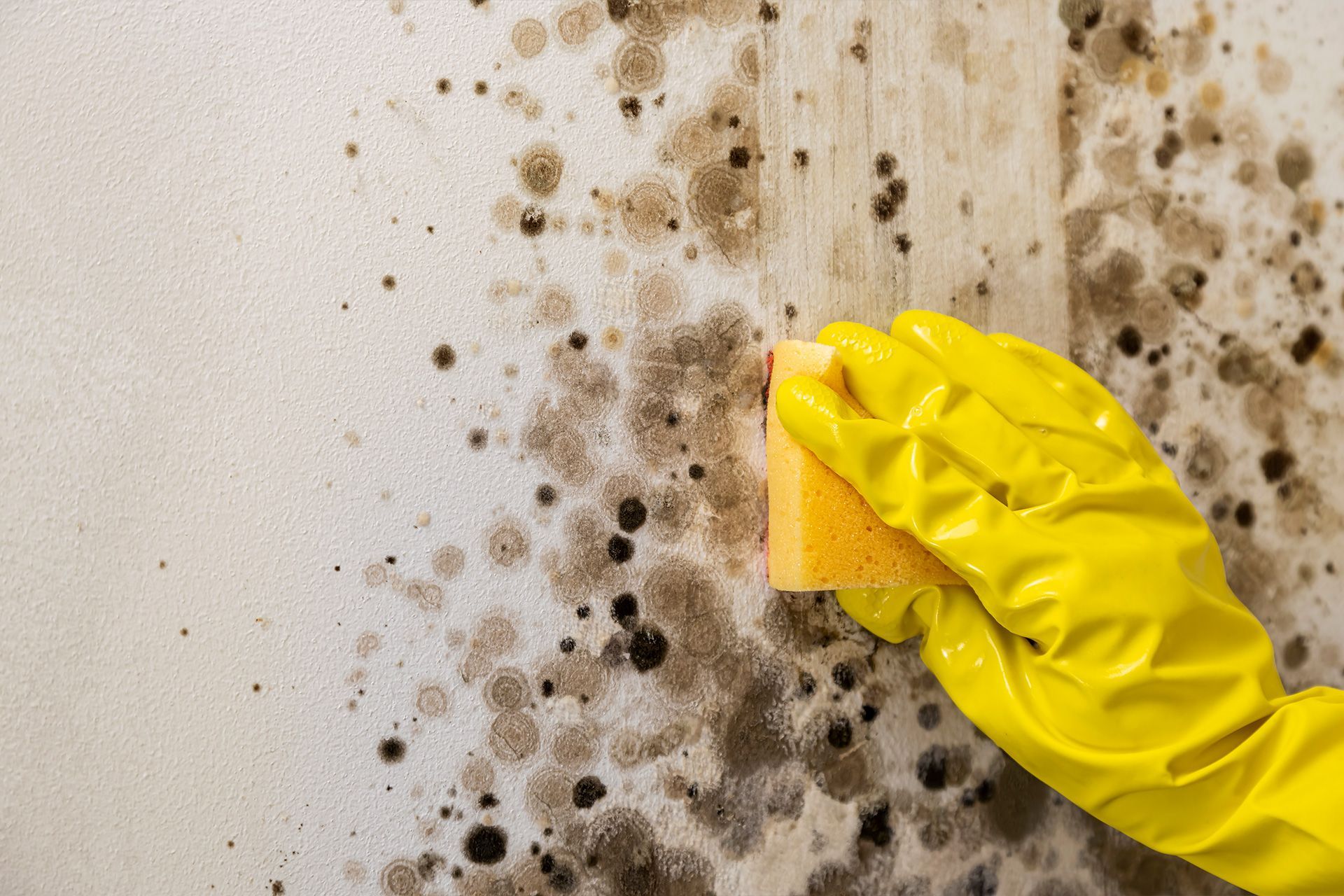
- Mold or mildew growth
- Peeling paint or bubbling drywall
Moisture problems can come from plumbing leaks, roof damage, poor drainage, or faulty gutters. If moisture continues to accumulate, it can lead to wood rot, mold growth, and long-term structural damage.
In humid climates like South Florida, mold and moisture issues can escalate quickly if not addressed.
4. Electrical System Issues
Electrical problems are another major red flag inspectors take seriously because they can create fire hazards.
Some common electrical inspection findings include:
- Outdated wiring systems
- Overloaded breaker panels
- Exposed or damaged wiring
- Lack of GFCI outlets near water sources
- Faulty electrical panels
Older homes may still have outdated wiring types such as knob-and-tube or aluminum wiring, which often require upgrades to meet modern safety standards.
Electrical repairs can be costly, and unsafe wiring may increase insurance costs or make a property difficult to insure.
5. Plumbing Problems
Plumbing issues may not always be visible during a home tour, but they often show up during inspections.
Inspectors check for:
- Leaky pipes
- Corrosion or aging plumbing materials
- Low water pressure
- Slow drains
- Water heater problems
Even minor plumbing leaks can cause hidden water damage behind walls or under floors. Over time, this moisture can lead to mold growth and structural deterioration.
Plumbing repairs vary in cost, but replacing old pipes or repairing hidden leaks can become a major expense.
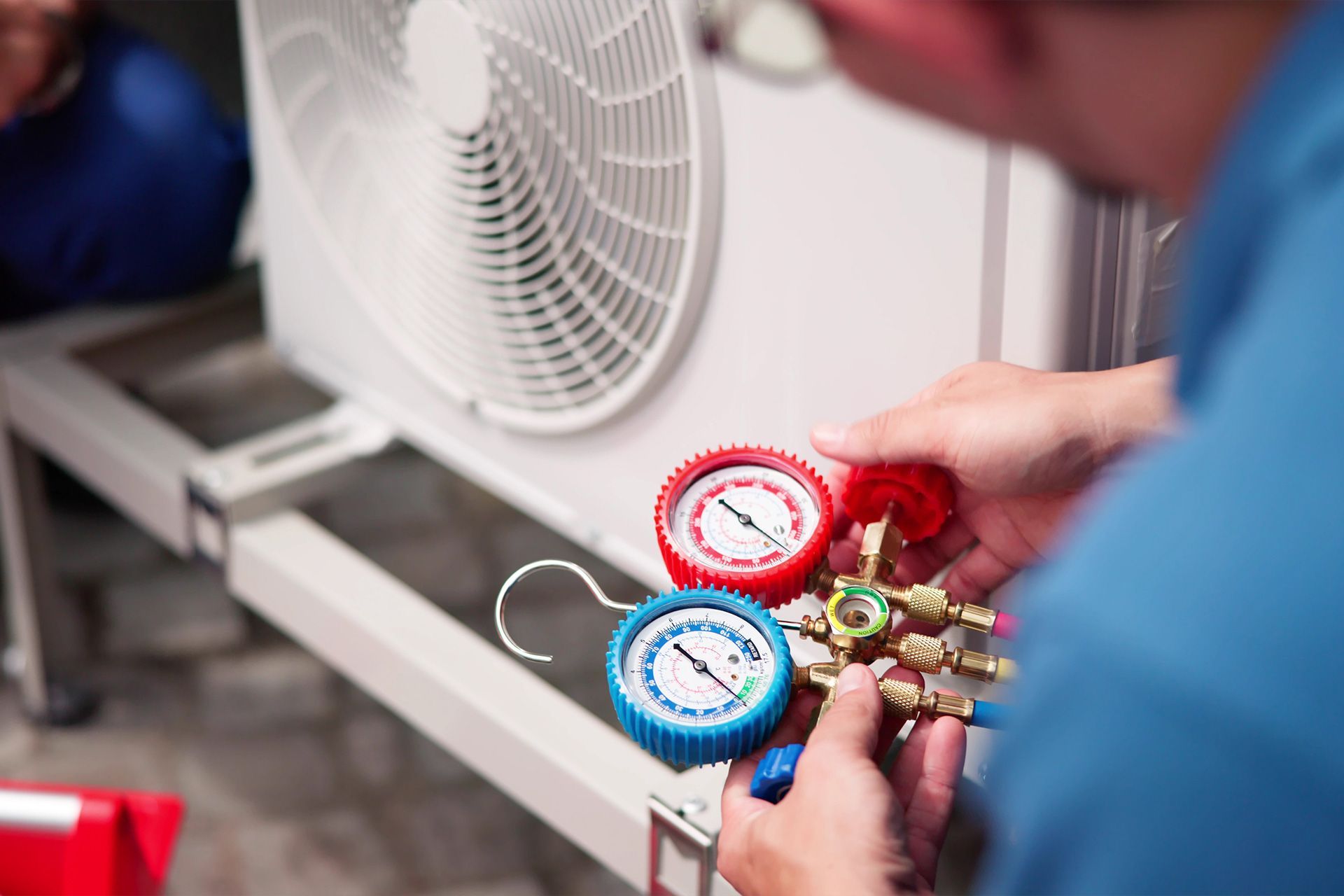
6. HVAC System Concerns
Heating, ventilation, and air conditioning systems are essential for comfort and indoor air quality, especially in Florida’s warm climate.
Inspectors typically check:
- Age of the HVAC system
- System functionality
- Airflow through vents
- Signs of poor maintenance
- Rust or corrosion on components
HVAC systems generally last around 10–15 years with proper maintenance. If the system is older or malfunctioning, replacement costs could be significant.
An outdated or poorly maintained HVAC system may also result in higher energy bills.
7. Poor Drainage and Grading Around the Home
Many buyers overlook landscaping and drainage, but these factors can significantly impact a home’s structural health.
Inspectors evaluate whether:
- Water pools near the foundation
- The yard slopes toward the home
- Downspouts direct water away from the property
- Soil erosion is present
Improper grading can allow water to accumulate near the foundation, leading to basement flooding, mold growth, and structural cracks over time.
In areas prone to heavy rain, proper drainage is essential for protecting the home’s foundation.
8. Pest and Termite Damage
Termites and other pests can cause extensive structural damage if left untreated.
Inspectors look for:
- Hollow or damaged wood
- Mud tubes near foundations
- Sawdust-like debris
- Droppings or nesting materials
- Chewed wiring or insulation
Termites are particularly common in warm climates and can weaken wooden structures such as beams, floors, and framing.
In many cases, inspectors may recommend a separate pest inspection if evidence of infestation is found.
9. Gutter and Exterior Water Management Problems
Gutters and drainage systems might seem like small details, but they play a critical role in protecting a home.
Inspectors often check for:
- Clogged gutters
- Improper downspout placement
- Water runoff toward the home
- Damaged gutter systems
If gutters fail to direct water away from the house, it can lead to foundation damage, siding deterioration, and basement moisture problems.
Routine maintenance can prevent many of these issues, but neglected gutter systems can create long-term damage.
Minor Issues vs. Major Red Flags
It’s important to remember that no home is perfect. Inspection reports often contain a mix of minor maintenance issues and more serious concerns.
Minor issues may include:
- Loose door handles
- Small drywall cracks
- Cosmetic wear and tear
- Aging appliances
Major home inspection red flags, however, involve structural damage, safety hazards, or major system failures. Buyers should review these findings carefully and consider repair costs before moving forward with the purchase.
In many cases, buyers can negotiate repairs or price adjustments with the seller based on the inspection report.
How a Professional Home Inspection Protects Buyers
A professional home inspection provides a detailed evaluation of a property’s condition before closing. Inspectors examine key areas such as the roof, foundation, plumbing, electrical systems, HVAC, and structural components to identify potential risks.
For buyers in Palm Beach, Broward, Miami-Dade, Treasure Coast, Hernando, Citrus, Sumter, and Pasco County, a thorough inspection can reveal hidden issues that might otherwise go unnoticed.
Ultimately, understanding these common home inspection issues helps buyers:
- Avoid unexpected repair costs
- Negotiate repairs or price reductions
- Make informed purchasing decisions
- Protect their long-term investment
Schedule a professional inspection with Certified Inspectors today to identify hidden issues and buy your Florida home with confidence.
FAQs
What are the biggest home inspection red flags?
The most serious home inspection red flags include foundation damage, roof problems, electrical hazards, major plumbing leaks, mold growth, pest infestations, and failing HVAC systems.
Are home inspection issues common?
Yes. Most homes have some inspection findings. Minor issues are common, but major structural or system problems require careful evaluation before moving forward with the purchase.
Should I walk away from a house after a bad inspection?
Not necessarily. Many inspection issues can be negotiated with the seller. However, buyers should carefully consider major structural or safety concerns before proceeding.
Can a home inspection reveal hidden problems?
Yes. Professional inspectors are trained to identify issues that may not be visible during a typical home tour, including structural defects, moisture damage, and electrical hazards.
How long does a home inspection take?
Most home inspections take between 2–4 hours depending on the size, age, and condition of the property.
Disclaimer: The information on this website and blog is for general informational purposes only and is not professional advice. We make no guarantees of accuracy or completeness. We disclaim all liability for errors, omissions, or reliance on this content. Always consult a qualified professional for specific guidance.
Share the post:
Recent Posts