
Can I Refuse a Home Insurance Inspection? What Homeowners Should Know
If you live in South or Central Florida, you’ve likely heard from your insurance company about scheduling a home insurance inspection. For many homeowners, this request can feel unexpected or even intrusive. Naturally, the question comes up: Can I refuse a home insurance inspection?
The short answer is yes, you can refuse. But whether you should is a different matter entirely. In this guide, we’ll explain your rights, the potential consequences, what insurers are looking for, and how to prepare using a practical home insurance inspection checklist.
What Is a Home Insurance Inspection?
A home insurance inspection is an evaluation of your property conducted by or on behalf of your insurance company. It may happen when:
- You purchase a new policy
- You renew an existing policy
- You change coverage
- Your insurer reassesses risk in your area
In Florida counties such as Palm Beach, Broward, Miami-Dade, Treasure Coast, Hernando, Citrus, Sumter, and Pasco, inspections are especially common. That’s because hurricanes, windstorms, heavy rainfall, and aging infrastructure increase insurance risk. Carriers want to verify the condition of homes before committing to coverage.
The inspection may be exterior-only or include interior areas, depending on the insurer and property type.
Can You Legally Refuse a Home Insurance Inspection?
Yes, you have the right to refuse entry to your home. Insurance representatives cannot legally enter your property without your consent.
However, while refusal is legally allowed, it may violate the terms of your insurance agreement. Most policies include language that permits the insurer to inspect the property as a condition of coverage.
In other words: you can say no, but the insurance company can respond by limiting, canceling, or declining to renew your policy.
What Happens If You Refuse?
Before declining an inspection, it’s important to understand the possible consequences.
1. Policy Cancellation or Non-Renewal
Insurance companies need to assess risk. If they can’t inspect your home, they may cancel a new policy or choose not to renew an existing one.
In Florida’s already challenging insurance market, losing coverage can make finding a new carrier more difficult and more expensive.
2. Higher Premiums
If an insurer proceeds without inspection, they may assume higher risk and increase your premiums to offset the uncertainty.
3. Required Repairs Without Full Review
In some cases, insurers rely on aerial imagery or third-party data. If they spot an issue (such as roof wear) and you refuse inspection, they may demand repairs without giving you the opportunity to clarify the condition in person.
4. Future Coverage Challenges
Refusing inspection could be noted in underwriting records. Other insurers may view that history cautiously when reviewing your application.
Why Insurance Companies Conduct Inspections
Insurance companies conduct inspections for several important reasons:
Risk Assessment
They evaluate major systems such as roofing, plumbing, electrical panels, HVAC units, and structural components to determine the likelihood of claims.
Property Condition Verification
They confirm that the property matches the details provided in your application.
Fraud Prevention
Inspections help ensure that properties are properly represented and reduce the risk of false claims.
Premium Accuracy
Homes in excellent condition may qualify for better rates. Conversely, aging roofs or outdated electrical systems may increase premiums.
In Florida counties exposed to hurricanes and heavy storms, roof condition is one of the most heavily scrutinized components.
What Does a Home Insurance Inspection Include?
Understanding what inspectors look for can ease concerns and help you prepare effectively.
Below is a typical house insurance inspection checklist:
Exterior Inspection
- Roof condition (shingles, tiles, flashing)
- Signs of leaks or sagging
- Gutters and drainage
- Exterior walls and siding
- Windows and doors
- Foundation cracks
- Driveways and walkways
- Decks and railings
- Tree branches overhanging the roof
- Fencing
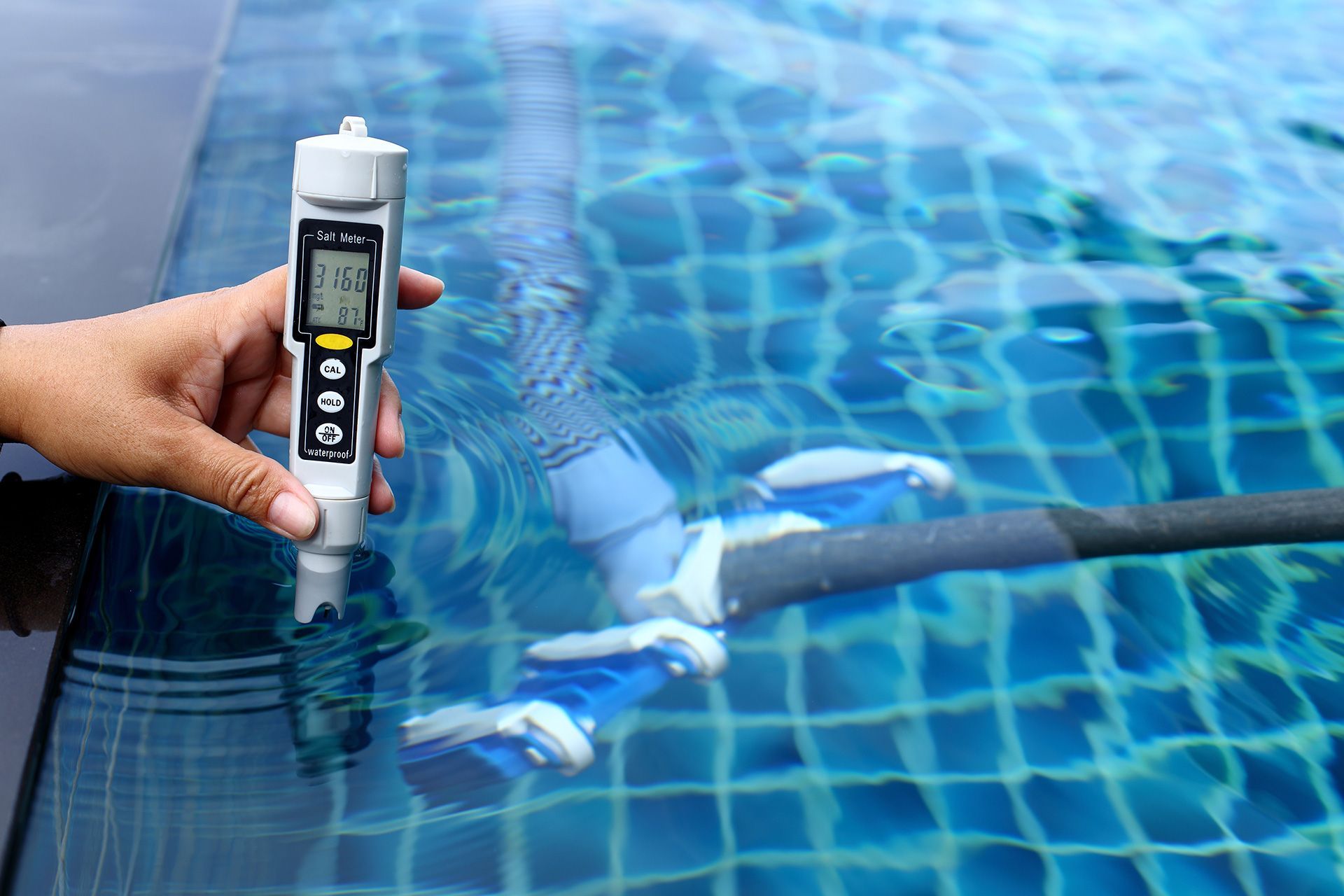
- Pools and safety barriers (if applicable)
Interior Inspection (If Required)
- Electrical panel condition
- Type of wiring
- Plumbing pipes and visible leaks
- Water heater age and condition
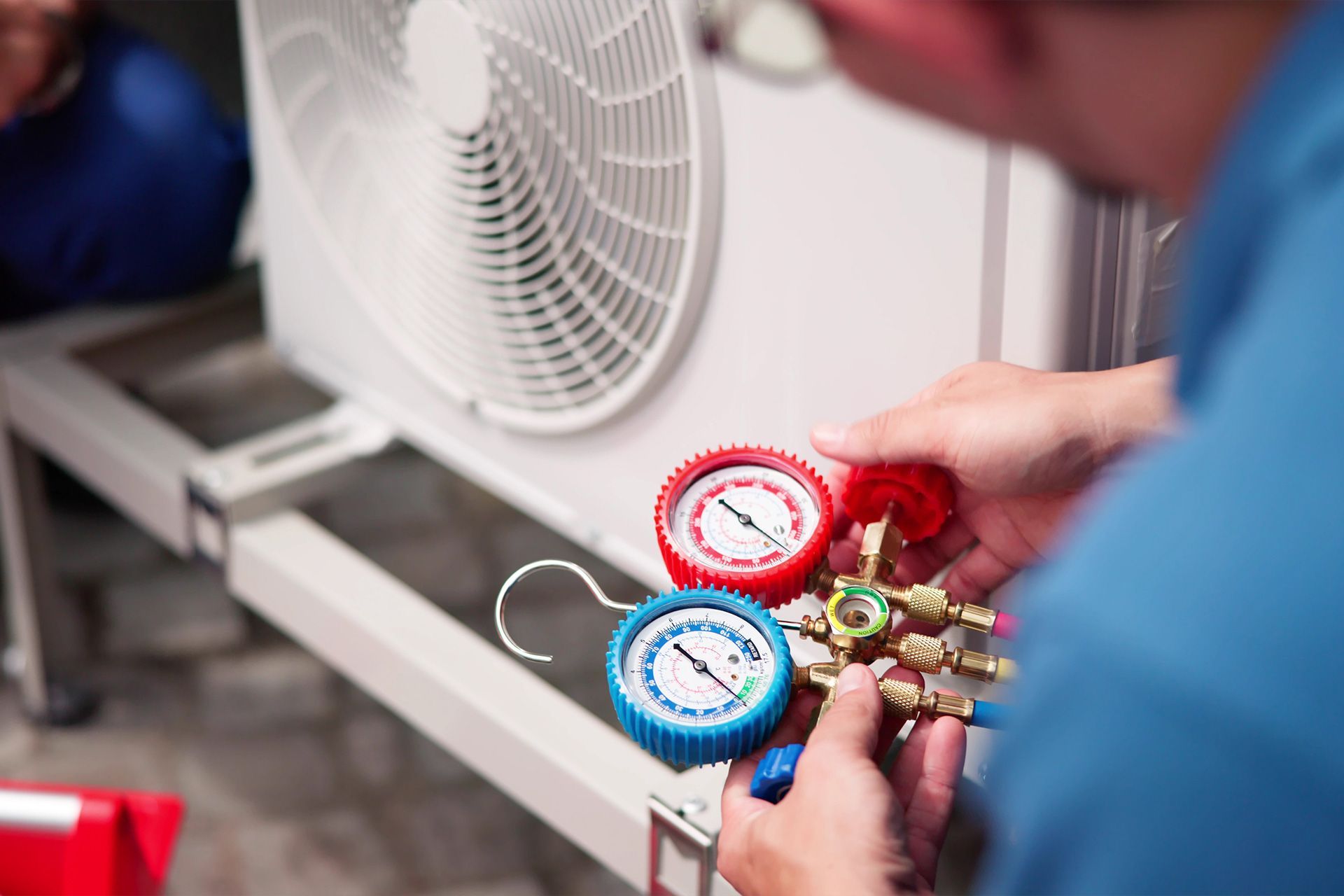
- HVAC system
- Smoke detectors
- Carbon monoxide alarms
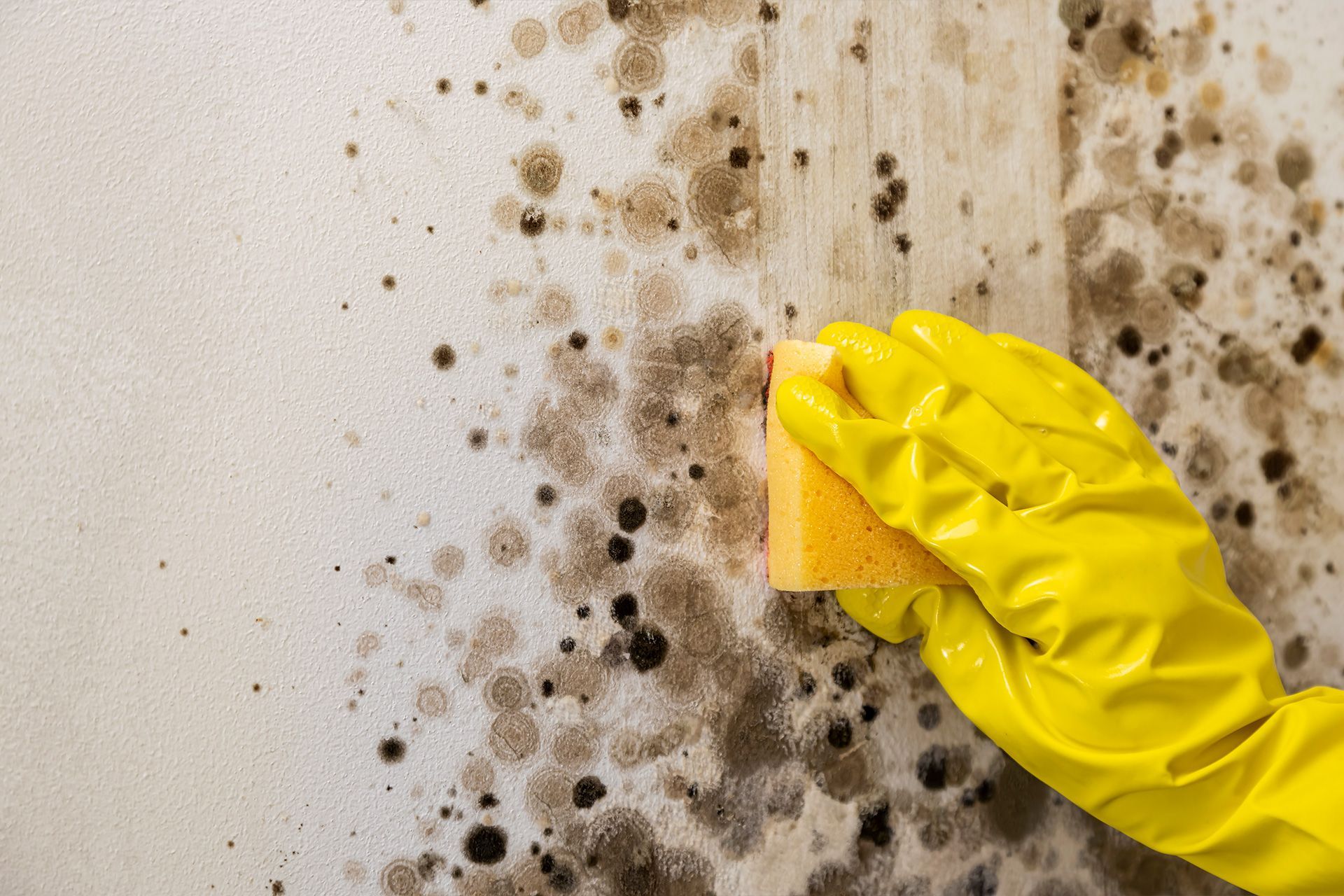
- Signs of water damage
- Attic insulation and ventilation
The goal is not to “fail” your home. Instead, the insurer wants to identify hazards that may lead to costly claims.
Special Considerations for Florida Homeowners
If you live in Palm Beach, Broward, Miami-Dade, or along the Treasure Coast, wind mitigation and roof condition are critical factors. In Hernando, Citrus, Sumter, and Pasco Counties, insurers may pay closer attention to aging homes and storm exposure.
Florida’s insurance environment is more sensitive than many other states due to:
- Frequent hurricanes
- High roof replacement costs
- Litigation history
- Rising repair expenses
As a result, inspections are becoming more common, even for renewals.
Should You Ever Refuse?
In most cases, refusal is not advisable. However, you do have options:
Request Identification
If someone shows up unannounced, ask for official credentials and confirm with your insurance company.
Reschedule
If the timing is inconvenient, request a new appointment.
Clarify Scope
Ask whether the inspection is exterior-only or interior. Some insurers now use drone or satellite technology and may not require entry.
Provide Recent Reports
If you recently had a professional inspection, 4-point inspection, or wind mitigation report, your insurer may accept that documentation.
Communication is key. Most issues can be resolved through discussion rather than outright refusal.
How to Prepare for a Home Insurance Inspection
Preparation can make a major difference in outcomes. Use this proactive checklist before your scheduled visit:
1. Inspect Your Roof
Repair missing shingles or tiles. Address visible damage promptly.
2. Trim Trees
Remove overhanging branches that could pose a storm risk.
3. Fix Minor Repairs
Repair loose handrails, cracked steps, and small leaks.
4. Test Safety Devices
Ensure smoke and carbon monoxide detectors are working.
5. Service Major Systems
If possible, service your HVAC and plumbing systems beforehand.
6. Organize Documentation
Have receipts ready for recent upgrades like:
- Roof replacement
- Electrical panel upgrades
- Plumbing updates
- Impact windows
- Hurricane shutters
This documentation can positively influence underwriting decisions.
What If the Inspection Finds Problems?
If the inspector identifies concerns, your insurance company may:
- Request repairs within a specific timeframe
- Adjust your premium
- Exclude certain coverages
- In rare cases, cancel or decline renewal
The good news is that most insurers give homeowners an opportunity to correct issues before taking serious action.
Promptly addressing required repairs can protect your coverage.
The Bottom Line
So, can you refuse a home insurance inspection?
Yes, legally, you can.
But in nearly every case, cooperation is the smarter choice. Refusing can lead to higher premiums, cancellation, or difficulty obtaining new coverage, especially in Florida’s competitive and high-risk insurance market.
Instead of refusing, consider preparing your home, communicating openly with your insurer, and using a proper house insurance inspection checklist to ensure you’re ready.
For homeowners across Palm Beach, Broward, Miami-Dade, Treasure Coast, Hernando, Citrus, Sumter, and Pasco Counties, being proactive is the best way to protect both your home and your insurance policy.
Need help preparing for your next home insurance inspection? Contact
Certified Inspectors
today and make sure your home is inspection-ready with confidence.
Frequently Asked Questions
Is a home insurance inspection mandatory?
It depends on your insurer. While not legally mandatory, most insurance policies require cooperation with inspections as a condition of coverage.
How long does a home insurance inspection take?
Exterior inspections may take 15–30 minutes. Full interior inspections can take 30–90 minutes depending on property size.
Will an inspection automatically raise my premium?
Not necessarily. If your home is in good condition, the inspection may have little impact, or even help support accurate pricing.
Can I be present during the inspection?
Yes, and it’s recommended. Being present allows you to answer questions and provide documentation.
What’s the difference between a home inspection and a home insurance inspection?
A buyer’s home inspection is more detailed and focuses on overall property condition. A home insurance inspection focuses specifically on risk and insurability.
Disclaimer: The information on this website and blog is for general informational purposes only and is not professional advice. We make no guarantees of accuracy or completeness. We disclaim all liability for errors, omissions, or reliance on this content. Always consult a qualified professional for specific guidance.
Share the post:
Recent Posts