
What Is Indoor Air Quality Inspection?
Indoor air quality (IAQ) affects every home, office, retail store, and commercial building across Florida. From Palm Beach and Broward to Miami-Dade, the Treasure Coast, Hernando, Citrus, Sumter, and Pasco County, property owners are becoming more aware of how the air inside their buildings impacts health, comfort, and overall well-being.
Most people spend nearly 90% of their time indoors. That means the air circulating through your home or business plays a major role in respiratory health, energy levels, and long-term comfort. If you’ve recently searched for “air quality inspection near me,” this guide will help you understand what an indoor air quality inspection is, how it works, and why it’s essential for Florida properties.
What Is Indoor Air Quality (IAQ)?
Indoor air quality refers to the condition of the air inside buildings. It includes:
- Airborne pollutants
- Humidity levels
- Ventilation performance
- Temperature balance
- Presence of mold or biological contaminants
Even clean-looking homes can contain invisible airborne pollutants. Unlike outdoor air, indoor air becomes trapped within walls, ceilings, and duct systems, allowing contaminants to accumulate over time.
In Florida’s warm, humid climate, moisture control and ventilation become even more critical. Excess humidity can quickly lead to mold growth, musty odors, and reduced air quality.
What Is an Indoor Air Quality Inspection?
An indoor air quality inspection is a professional evaluation designed to test and analyze the air inside a home or commercial building. The purpose is to identify contaminants, measure pollutant levels, and determine whether the environment is safe and healthy.
During an inspection, certified professionals use specialized equipment to measure:
- Airborne particles
- Mold spores
- Carbon monoxide and carbon dioxide
- Volatile organic compounds (VOCs)
- Humidity and temperature levels
- Ventilation performance
The goal is to provide clear data, not guesswork. Rather than relying on smell or visible signs alone, inspectors collect measurable evidence and provide recommendations based on results.
Why Indoor Air Quality Inspection Is Important in Florida
Florida’s climate presents unique challenges for indoor environments. High humidity, heavy rain, hurricane exposure, and year-round air conditioning usage all impact air circulation and moisture levels.
Here’s why scheduling an indoor air quality inspection is especially important in Palm Beach, Broward, Miami-Dade, and surrounding counties:
1. Mold Risk Due to Humidity
Moisture buildup is common in Florida homes. Even small leaks, condensation issues, or poorly ventilated bathrooms can create conditions ideal for mold growth.
2. HVAC System Strain
Air conditioning systems run frequently in Florida. Dirty filters, clogged ducts, or poorly maintained systems can circulate dust, allergens, and contaminants throughout the property.
3. Post-Storm Concerns
After hurricanes or heavy storms, water intrusion may occur behind walls or under flooring. IAQ testing helps identify hidden moisture problems.
4. Health Protection
Poor indoor air quality can contribute to:
- Allergies
- Asthma flare-ups
- Headaches
- Fatigue
- Sinus irritation
- Respiratory discomfort
An inspection helps identify causes before they worsen.
Common Pollutants Found During IAQ Inspections
An indoor air quality inspection may reveal several types of contaminants:
Mold Spores
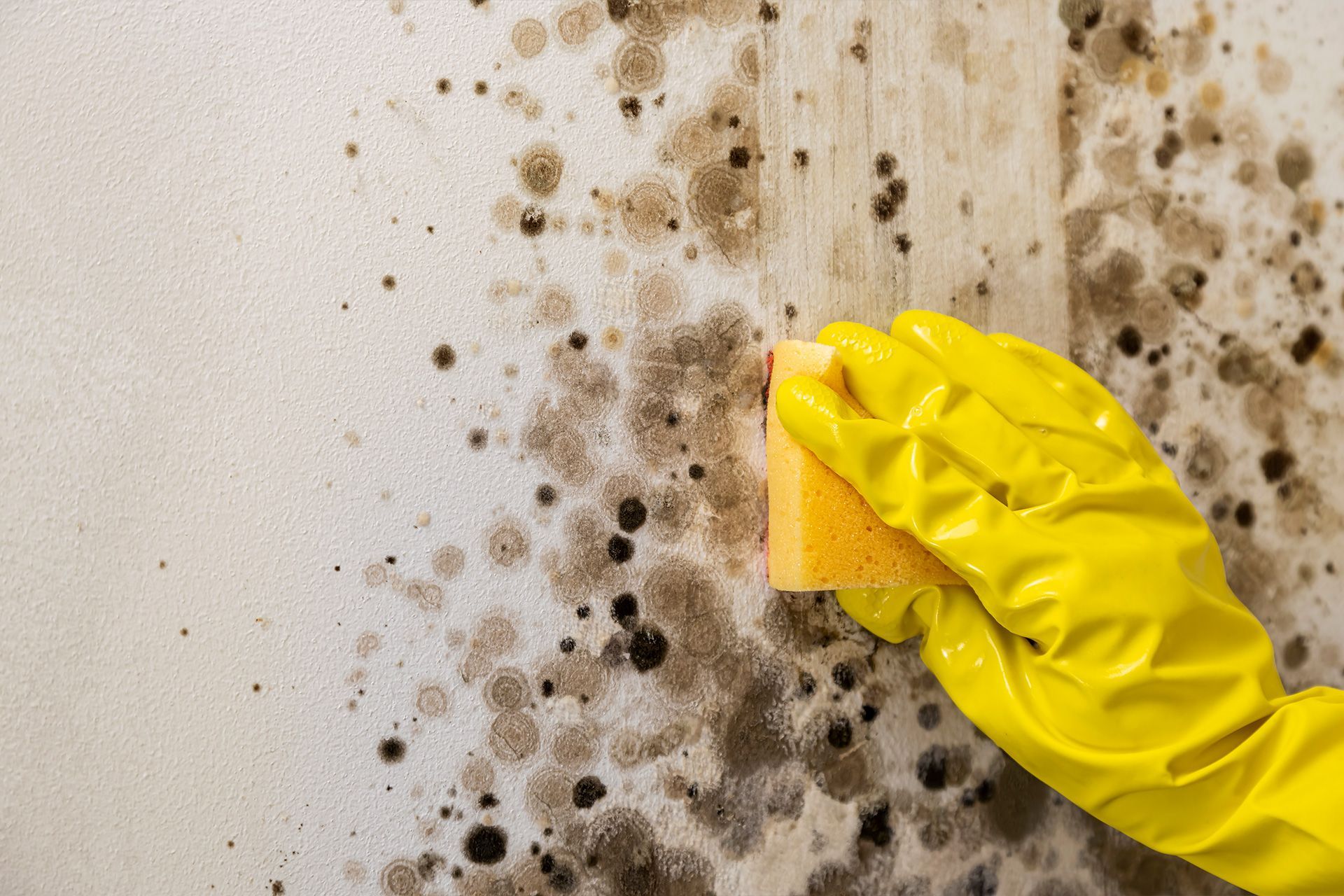
Often caused by moisture problems, mold can grow in attics, walls, HVAC systems, or crawl spaces.
Volatile Organic Compounds (VOCs)
These gases are released from paints, cleaning products, furniture, flooring, and building materials.
Particulate Matter
Dust, pollen, pet dander, and fine particles that circulate through the air system.
Carbon Monoxide
A dangerous, odorless gas that can result from malfunctioning fuel-burning appliances.
Carbon Dioxide
Elevated levels may indicate poor ventilation.
Excess Humidity
High indoor humidity encourages mold growth and can make spaces feel uncomfortable.
How an Indoor Air Quality Inspection Works
When you hire a professional for an air quality inspection near me, here’s what typically happens:
Step 1: Initial Assessment
The inspector walks through the property, evaluating visible conditions such as:
- Signs of moisture or water damage
- Ventilation setup
- HVAC system condition
- Areas with strong odors
- Recent renovations or repairs
They may also ask about occupant health concerns or symptoms.
Step 2: Air Sampling and Testing
Using specialized instruments, the inspector collects air samples to measure pollutant levels. This may include:
- Mold spore air sampling
- VOC detection
- Particle count measurements
- Carbon monoxide testing
- Humidity readings
In some cases, surface samples may also be taken in suspected mold areas.
Step 3: Lab Analysis (If Required)
Some samples are sent to a certified laboratory for detailed analysis, particularly mold testing.
Step 4: Detailed Report
You receive a comprehensive report explaining:
- What was tested
- What was found
- How levels compare to acceptable standards
- Recommendations for improvement
Step 5: Recommendations
Based on results, inspectors may recommend:
- HVAC cleaning or maintenance
- Improved ventilation
- Dehumidification solutions
- Air purification systems
- Mold remediation services
Signs You May Need an Indoor Air Quality Inspection
You should consider scheduling an indoor air quality inspection if you notice:
- Persistent musty smells
- Excess dust accumulation
- Visible mold growth
- Increased allergy symptoms indoors
- Recent water damage
- Poor air circulation
- Headaches or fatigue when inside the building
Property buyers and sellers in Palm Beach, Broward, and Miami-Dade often request IAQ testing as part of due diligence during real estate transactions.
Benefits of Professional Indoor Air Quality Inspection
Improved Health
Identifying and reducing airborne contaminants can significantly improve respiratory comfort.
Better Energy Efficiency
Clean filters and optimized ventilation improve HVAC performance.
Peace of Mind
Knowing your indoor air is safe provides reassurance for homeowners and business owners.
Property Protection
Addressing moisture or mold problems early prevents costly structural damage.
Increased Property Value
Homes with documented air quality testing may appeal more to buyers.
How Often Should You Schedule IAQ Testing?
There is no universal schedule, but many Florida homeowners choose to test:
- Annually
- After major renovations
- After water damage
- When purchasing or selling property
- If health symptoms appear
Because Florida’s climate increases moisture risk, regular monitoring is often a smart preventive measure.
Choosing the Right Air Quality Inspection Near You
When searching for “air quality inspection near me” in Palm Beach, Broward, Miami-Dade, Treasure Coast, Hernando, Citrus, Sumter, or Pasco County, look for:
- Certified inspectors
- Experience with Florida climate conditions
- Advanced testing equipment
- Clear, detailed reporting
- Honest recommendations without pressure
Working with qualified professionals ensures accurate results and practical solutions.
Final Thoughts
Indoor air is invisible, but its effects are not. In Florida’s humid climate, maintaining healthy indoor air requires attention, monitoring, and professional evaluation when needed. An indoor air quality inspection provides the data and guidance necessary to protect your home, your investment, and your health.
Whether you’re in Palm Beach, Broward, Miami-Dade, the Treasure Coast, Hernando, Citrus, Sumter, or Pasco County, investing in professional testing ensures your indoor environment stays safe and comfortable year-round.
Schedule your indoor air quality inspection with Certified Inspectors today and breathe easier knowing your home or business is protected.
Frequently Asked Questions (FAQs)
What does an indoor air quality inspection include?
It typically includes a property walkthrough, air sampling, pollutant testing, humidity measurements, and a detailed report with findings and recommendations.
How long does the inspection take?
Most residential inspections take 1–3 hours, depending on property size and testing scope.
Is mold testing included in indoor air quality inspection?
Yes, mold testing is often part of IAQ inspections, especially if moisture issues are suspected.
Can indoor air quality testing detect hidden mold?
Air sampling can detect elevated mold spore levels that may indicate hidden mold growth behind walls or ceilings.
Is indoor air quality inspection worth it?
Yes. It helps identify hidden health risks, improves comfort, and prevents long-term property damage.
How much does an air quality inspection cost?
Costs vary based on property size and the number of tests performed. A professional can provide an estimate after reviewing your needs.
Disclaimer: The information on this website and blog is for general informational purposes only and is not professional advice. We make no guarantees of accuracy or completeness. We disclaim all liability for errors, omissions, or reliance on this content. Always consult a qualified professional for specific guidance.
Share the post:
Recent Posts