
How Long Does a House Inspection Take?
When you’re buying a home, timing matters. Between loan approvals, appraisals, and closing deadlines, it’s natural to ask an important question: how long does a housing inspection take? A home inspection is one of the most critical steps in the home-buying process, giving you a clear picture of the property’s condition before you finalize the purchase.
In this in-depth guide, we’ll explain how long a typical home inspection takes, what factors can affect the timeline, what inspectors evaluate, and how you can prepare. Whether you’re a first-time buyer or an experienced homeowner in the USA, this article will help you plan confidently.
What Is a Home Inspection?
A home inspection is a professional, non-invasive evaluation of a property’s visible and accessible components.
The inspector examines the home’s major systems and structures to identify safety issues, defects, and maintenance concerns that could impact value or livability.
A standard inspection usually covers:
- Structural components
- Roof and exterior
- Electrical systems
- Plumbing
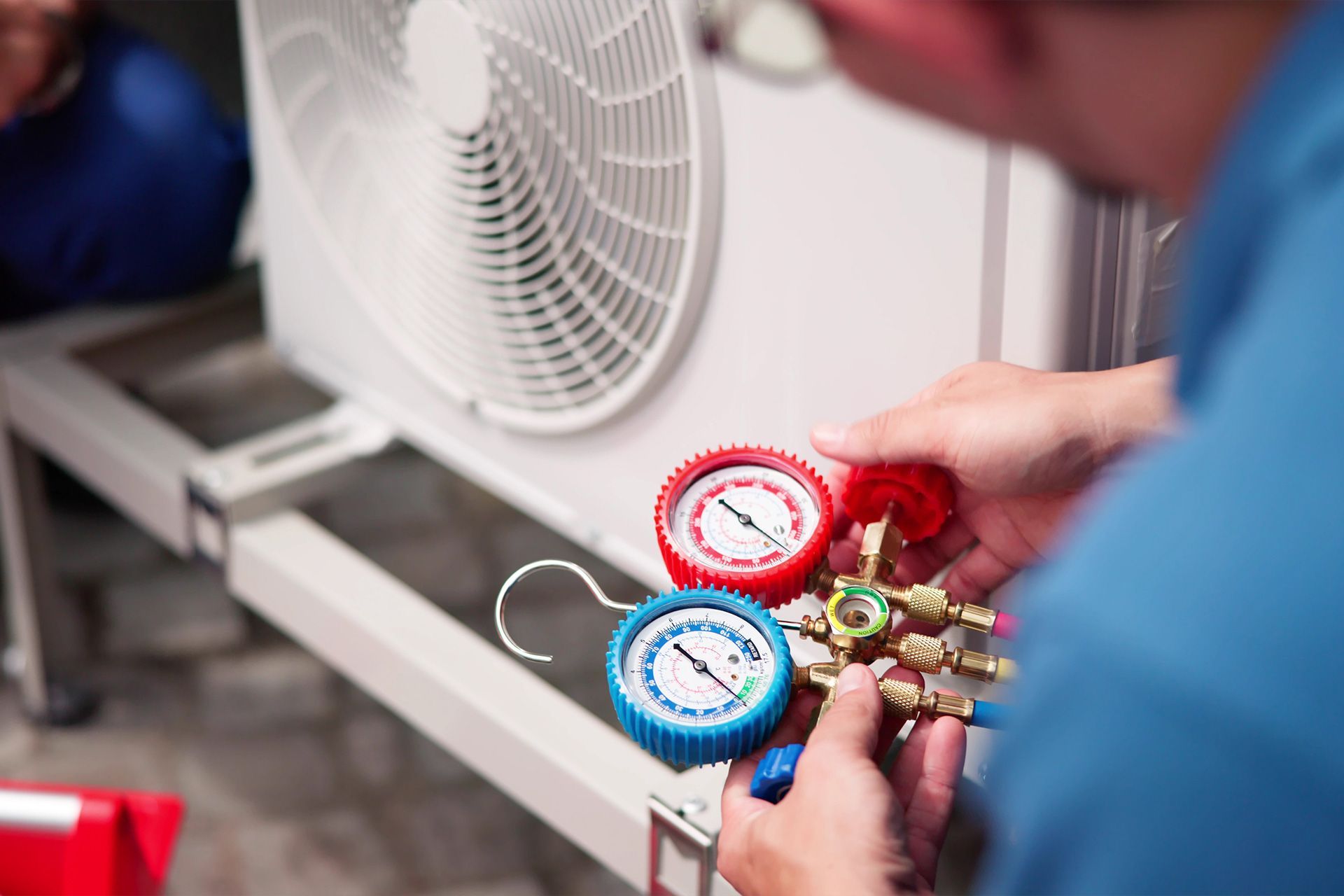
- Heating and cooling systems
- Interior elements such as walls, ceilings, floors, and windows
The purpose is not to guarantee that a home is perfect, but to provide an informed, unbiased assessment of its condition at the time of inspection.
How Long Does a Housing Inspection Take on Average?
For most homes, a standard home inspection takes between 2 and 4 hours. This is the time the inspector spends on site carefully evaluating the property.
Here’s a general breakdown based on home size:
- Small condos or townhomes (under 1,200 sq. ft.): 1.5 to 2 hours
- Average single-family homes (1,500–2,500 sq. ft.): 2 to 3 hours
- Larger homes (2,500–3,500 sq. ft.): 3 to 4 hours
- Very large or complex properties (over 3,500 sq. ft.): 4+ hours
Keep in mind that this refers only to the on-site inspection. The written inspection report is typically delivered within 24 to 48 hours after the inspection is complete.
Key Factors That Affect Inspection Time
Not all inspections are the same. Several variables can increase or decrease how long a housing inspection takes.
1. Size of the Home
Larger homes naturally take longer to inspect. More rooms, bathrooms, and square footage mean more systems and components to examine.
2. Age of the Property
Older homes often require more time due to aging materials, outdated systems, or previous repairs. Inspectors may need to examine areas more closely to assess wear and potential risks.
3. Overall Condition
A well-maintained home may move more quickly through inspection, while a home with visible damage, deferred maintenance, or structural concerns will require extra attention.
4. Accessibility
If the attic, crawlspace, roof, or electrical panel is difficult to access, the inspection may take longer. Blocked or tight spaces require careful navigation to ensure a thorough evaluation.
5. Additional Features
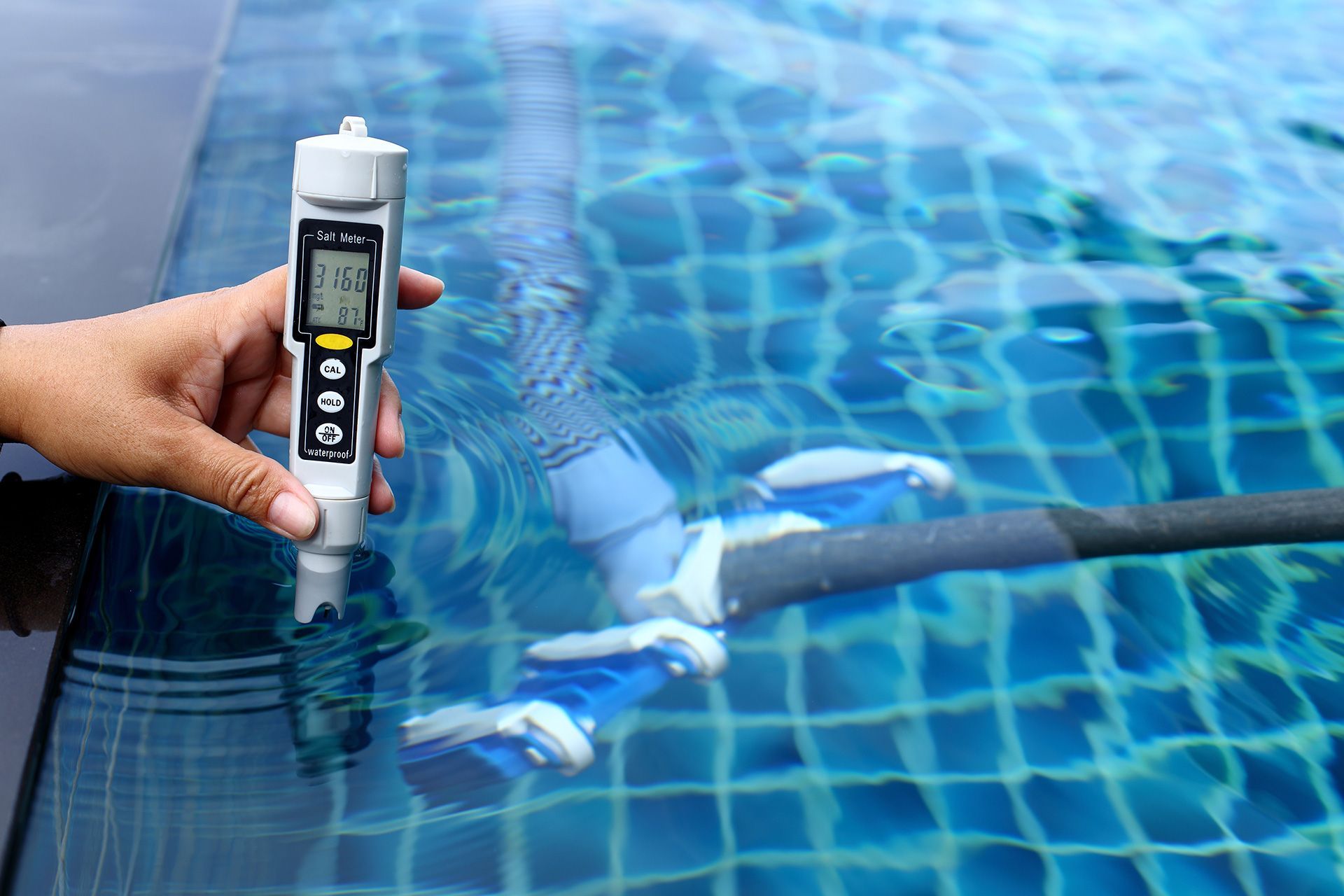
Homes with pools, spas, detached garages, guest houses, multiple HVAC systems, or extensive exterior features typically add inspection time.
6. Weather Conditions
Poor weather can slow down exterior inspections, particularly roof and foundation evaluations, and may extend the overall duration.
What Happens During a Home Inspection?
Understanding the inspection process helps explain why it takes several hours.
Exterior Evaluation
The inspector examines:
- Roof materials and visible flashing
- Gutters and drainage
- Exterior walls and siding
- Foundation and grading
- Driveways, walkways, and garages
Interior Evaluation
Inside the home, the inspector checks:
- Electrical panels, outlets, and switches
- Plumbing fixtures and water pressure
- Water heater condition
- Heating and cooling systems
- Walls, ceilings, floors, doors, and windows
Attic and Crawlspace
When accessible, the inspector evaluates:
- Insulation levels
- Ventilation
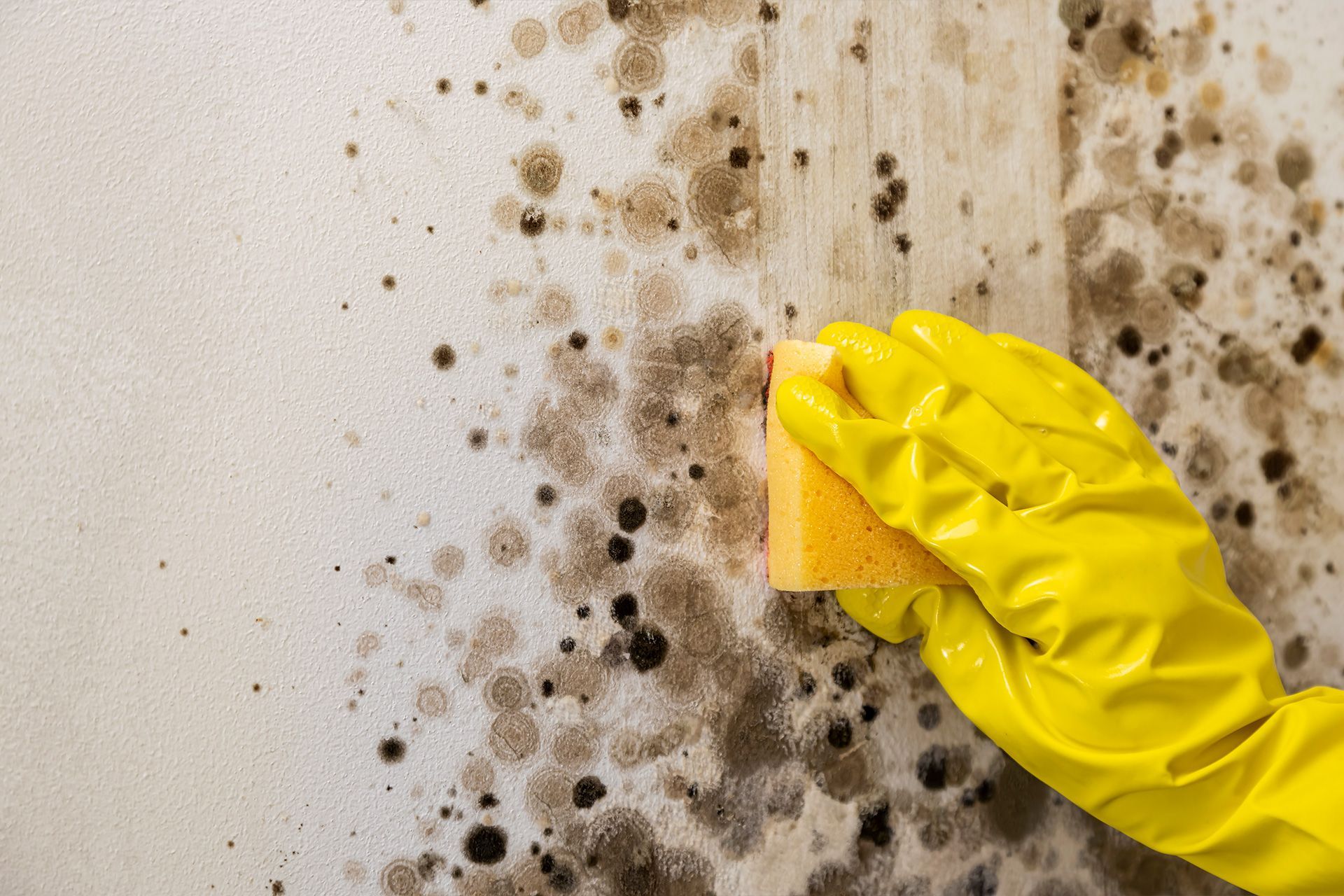
- Signs of moisture, mold, or pests
- Structural framing
Throughout the inspection, notes and photos are taken to document findings for the final report.
Should You Attend the Home Inspection?
While it’s not required, attending the inspection, or at least the final portion, is highly recommended. Being present allows you to:
- See issues firsthand
- Ask questions in real time
- Learn where important shutoffs and systems are located
- Better understand maintenance responsibilities
Buyers who attend inspections often feel more confident about their purchase decisions.
After the Inspection: What Comes Next?
Once the on-site inspection is complete, the inspector prepares a detailed written report. This report typically includes:
- A summary of findings
- Photos of problem areas
- Safety concerns
- Recommended repairs or further evaluations
Most buyers receive their inspection report within one to two days. You can then use this information to negotiate repairs, request credits, or decide whether to move forward with the purchase.
Do Add-On Inspections Affect the Time?
Yes. Additional services such as sewer line inspections, radon testing, mold inspections, or termite inspections will increase the total inspection time. These specialized evaluations focus on specific risks and are often scheduled alongside or separately from the main home inspection.
New Construction vs. Older Homes
- New construction inspections usually take less time because systems are newer and there is less visible wear.
- Older homes tend to take longer due to aging components, renovations, and potential code issues that require closer review.
Both types of inspections are important, as even new homes can have construction defects.
Why Inspection Time Matters
A thorough inspection should never feel rushed. The time spent during a home inspection reflects the level of detail required to properly evaluate the property. A longer inspection often means the inspector is being careful and methodical, which ultimately benefits the buyer.
Understanding how long a housing inspection takes helps you:
- Schedule your day effectively
- Set realistic expectations
- Appreciate the value of a detailed inspection
Final Thoughts
So, how long does a housing inspection take? In most cases, expect 2 to 4 hours, with variations based on size, age, condition, and additional features. A professional home inspection is time well spent, it protects your investment and gives you peace of mind before making one of life’s biggest decisions.
Schedule your professional Home Inspection with
Certified Inspectors today and move forward with confidence.
Frequently Asked Questions (FAQs)
Is a longer inspection a bad sign?
Not necessarily. A longer inspection often means the inspector is being thorough, especially with larger or older homes.
Can a home inspection be completed in under two hours?
Yes, smaller condos or newer homes in excellent condition may take less than two hours.
Does the inspection report time count toward the inspection length?
No. The inspection time refers only to the on-site evaluation. Report preparation usually takes additional time after the visit.
Should sellers be present during the inspection?
Sellers are typically not present. This allows the inspector to work freely and the buyer to ask questions comfortably.
Can inspection time affect closing dates?
Indirectly, yes. While the inspection itself is relatively short, reviewing the report and negotiating repairs can impact the overall transaction timeline.
Disclaimer: The information on this website and blog is for general informational purposes only and is not professional advice. We make no guarantees of accuracy or completeness. We disclaim all liability for errors, omissions, or reliance on this content. Always consult a qualified professional for specific guidance.
Share the post:
Recent Posts